UX/UI
BAL Industry: Digitalizing Industrial Sales and Logistics
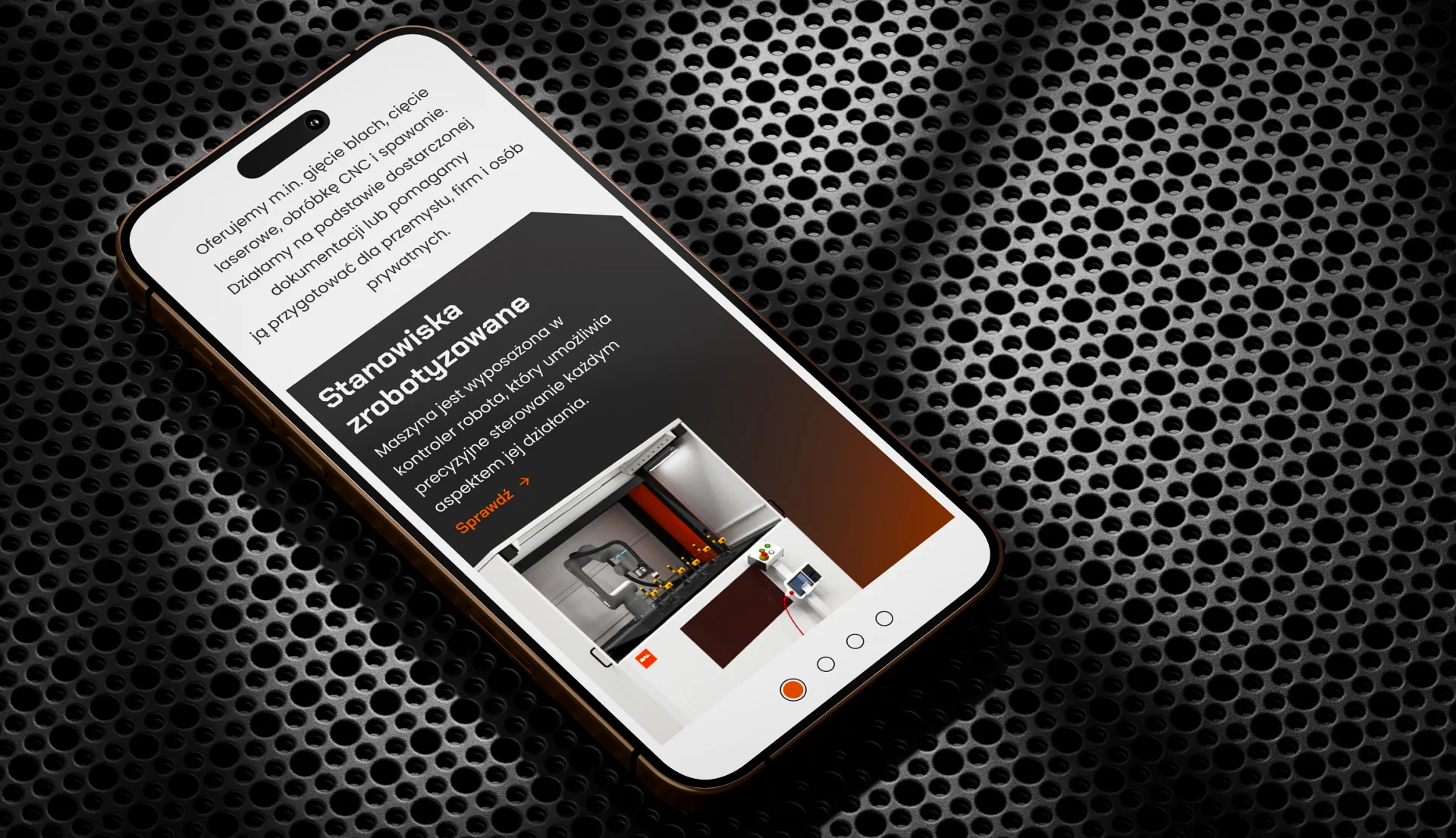
Streamlining industrial sales through an algorithmic cutting calculator and a high-performance B2B ecosystem.
The Context
The primary bottleneck in BAL Industry’s sales cycle was the manual quoting process for metal cutting, leading to 48-hour delays and significant lead drop-offs. The goal was to build a digital B2B ecosystem that automates these calculations while clearly presenting their advanced machine park and direct products. Because the platform is used directly on factory floors, the UI required a high-contrast, data-dense architecture to ensure complex technical specifications remain instantly readable in harsh industrial environments.

Target Audience
The BAL Industry platform was designed to navigate a complex B2B buying committee. Unlike B2C, the industrial sales process requires satisfying three distinct personas with different informational needs:

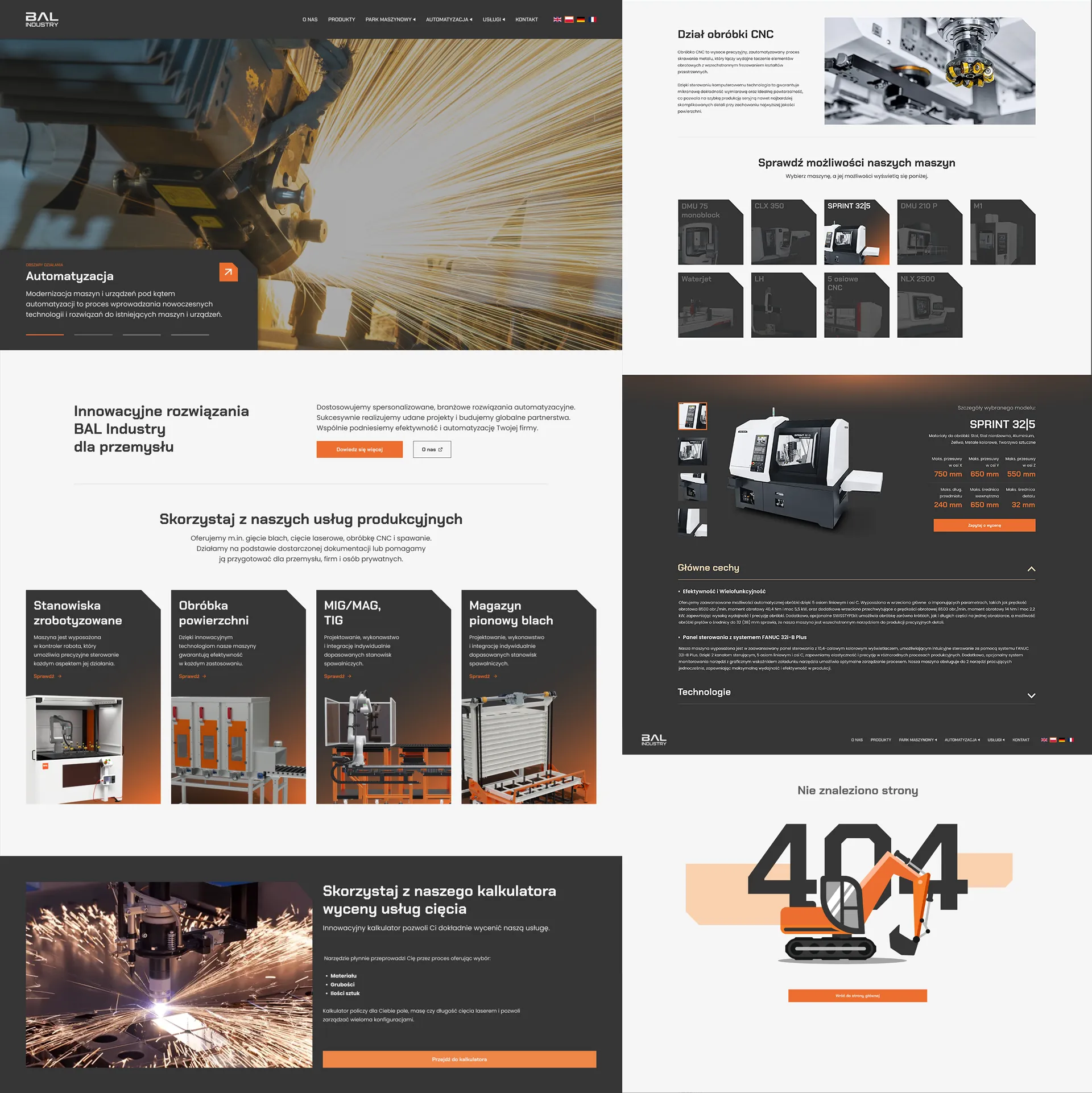
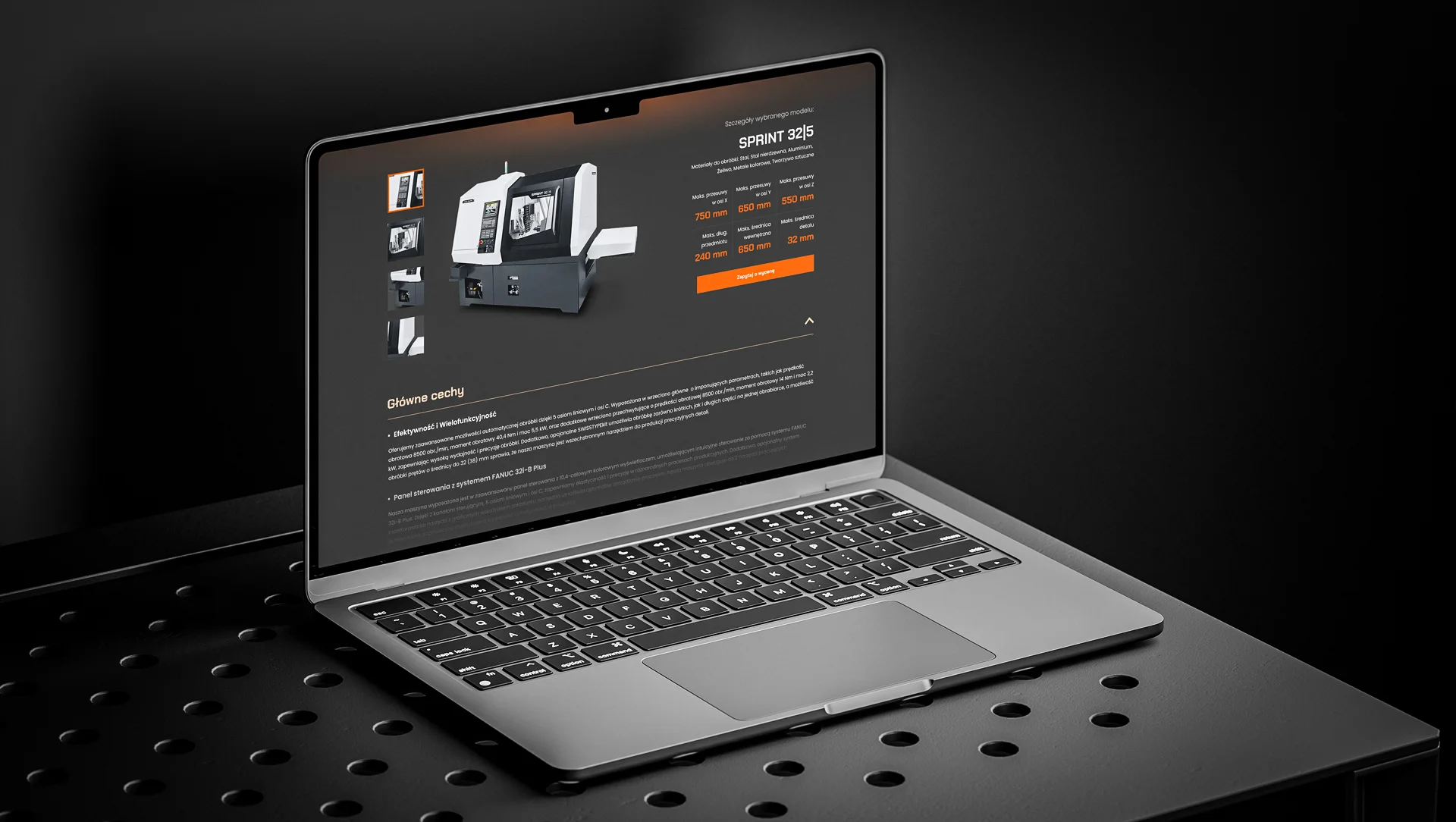
To satisfy the gatekeepers of technical specs I implemented a high-density modular grid that enables quick access to CNC parameters and provides precise data to validate the solution.

For ROI-focused users, the UX streamlines conversion with a frictionless funnel, using a Dynamic Calculator at key points to bridge technical discovery and inquiry.

The platform builds immediate authority through a premium technical aesthetic, signaling reliability and scale to support trust in high-value industrial contracts.
The final architecture serves as a bridge between these worlds: it provides the technical depth required by engineers while maintaining the high-speed, conversion-centric flow demanded by business decision-makers.
Low-Fidelity & Structural Exploration
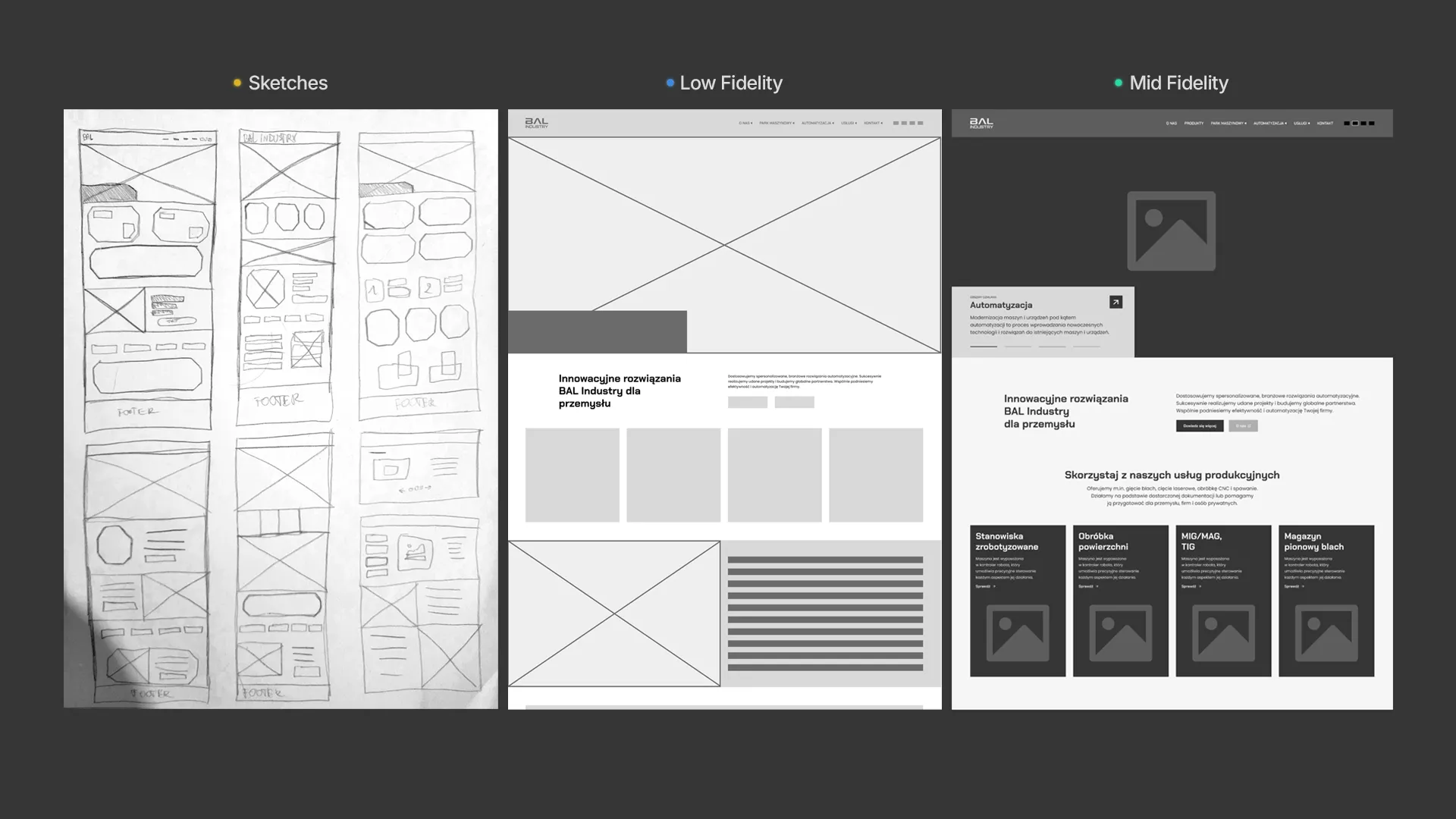
Initial structural mapping progressed from raw hand-drawn sketches to structured digital wireframes to establish the core information hierarchy. The primary focus during this phase was securing a logical content distribution, prioritizing technical specifications and lead-capture zones before introducing any visual complexity.
Grid System
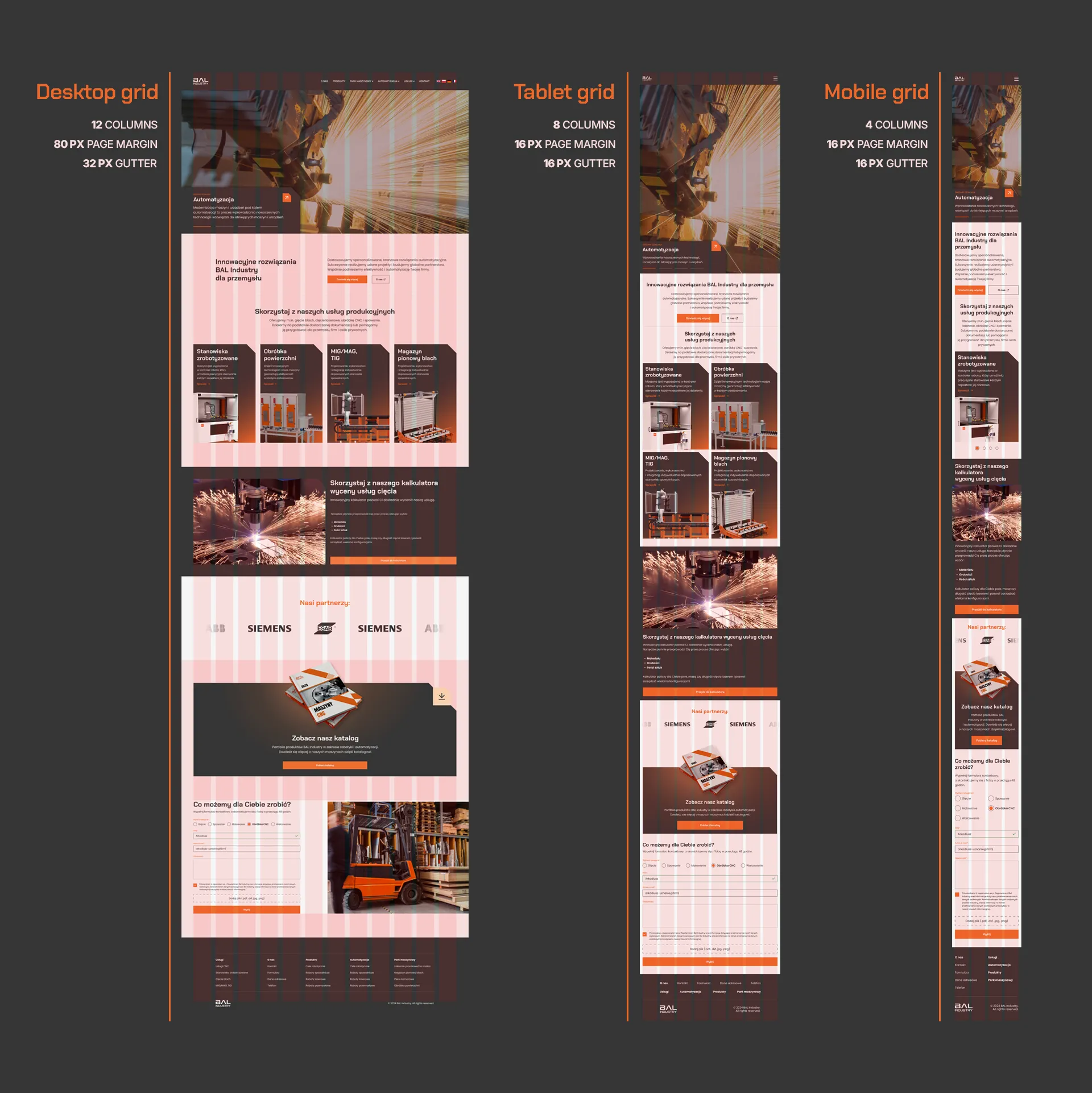
The layout was built on a structured 12-column grid to handle dense technical content and maintain clarity across multiple input states. I defined consistent spans for form inputs, supporting content, and result outputs to create a predictable layout and reduce cognitive load. The grid ensures alignment between steps and allows the interface to scale as additional parameters or configurations are introduced without breaking visual hierarchy.
Dynamic Calculator
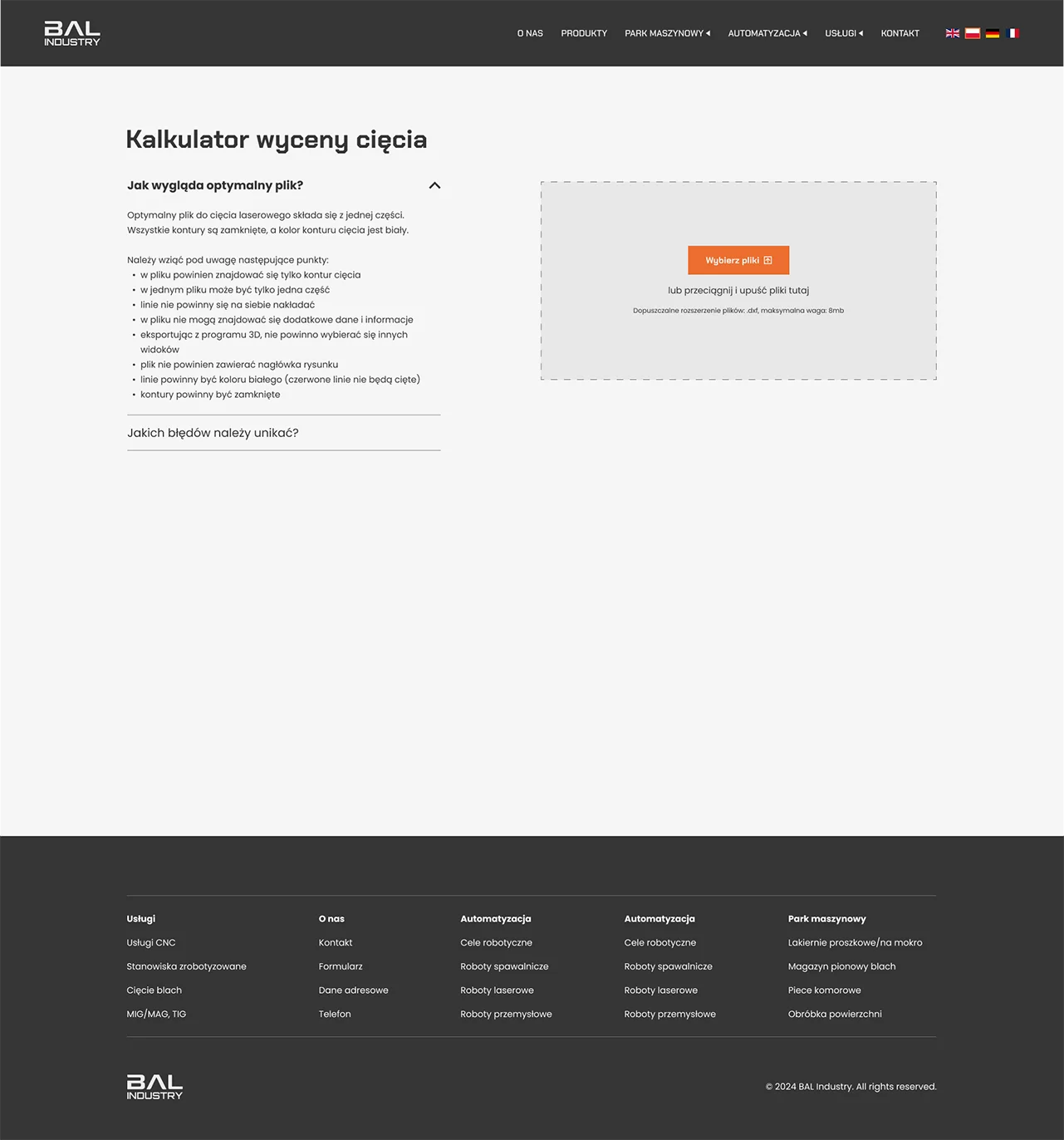
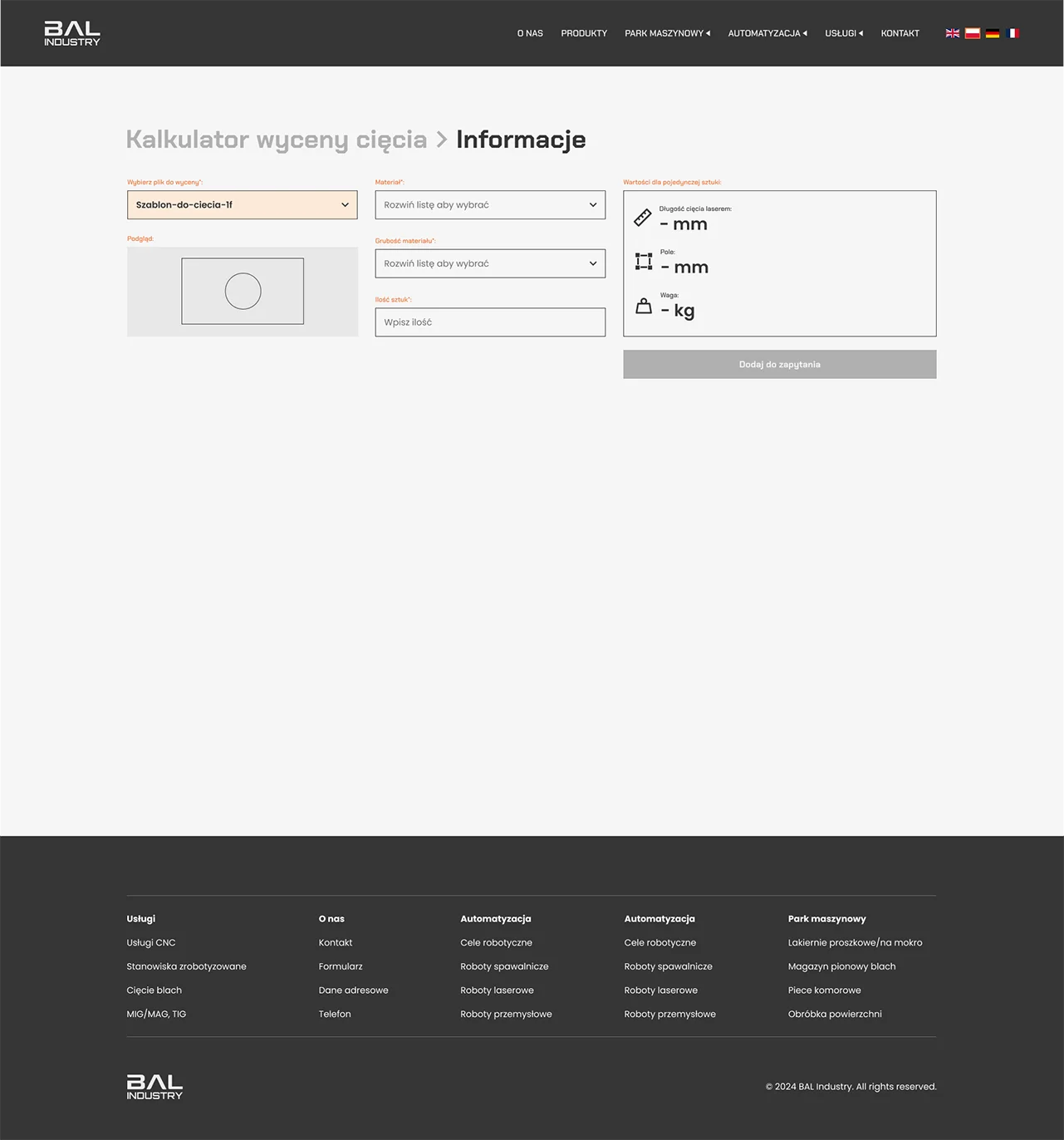
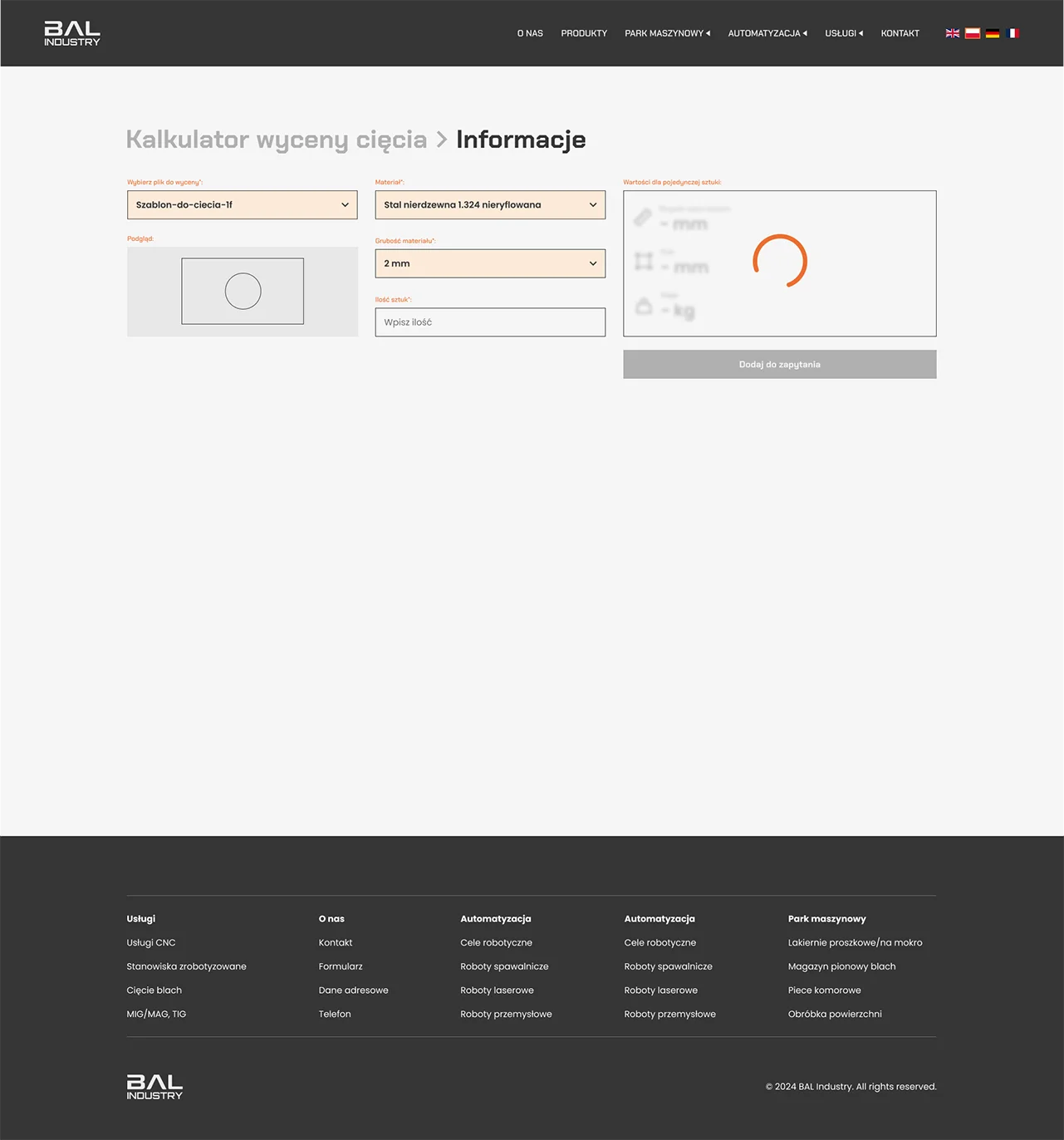
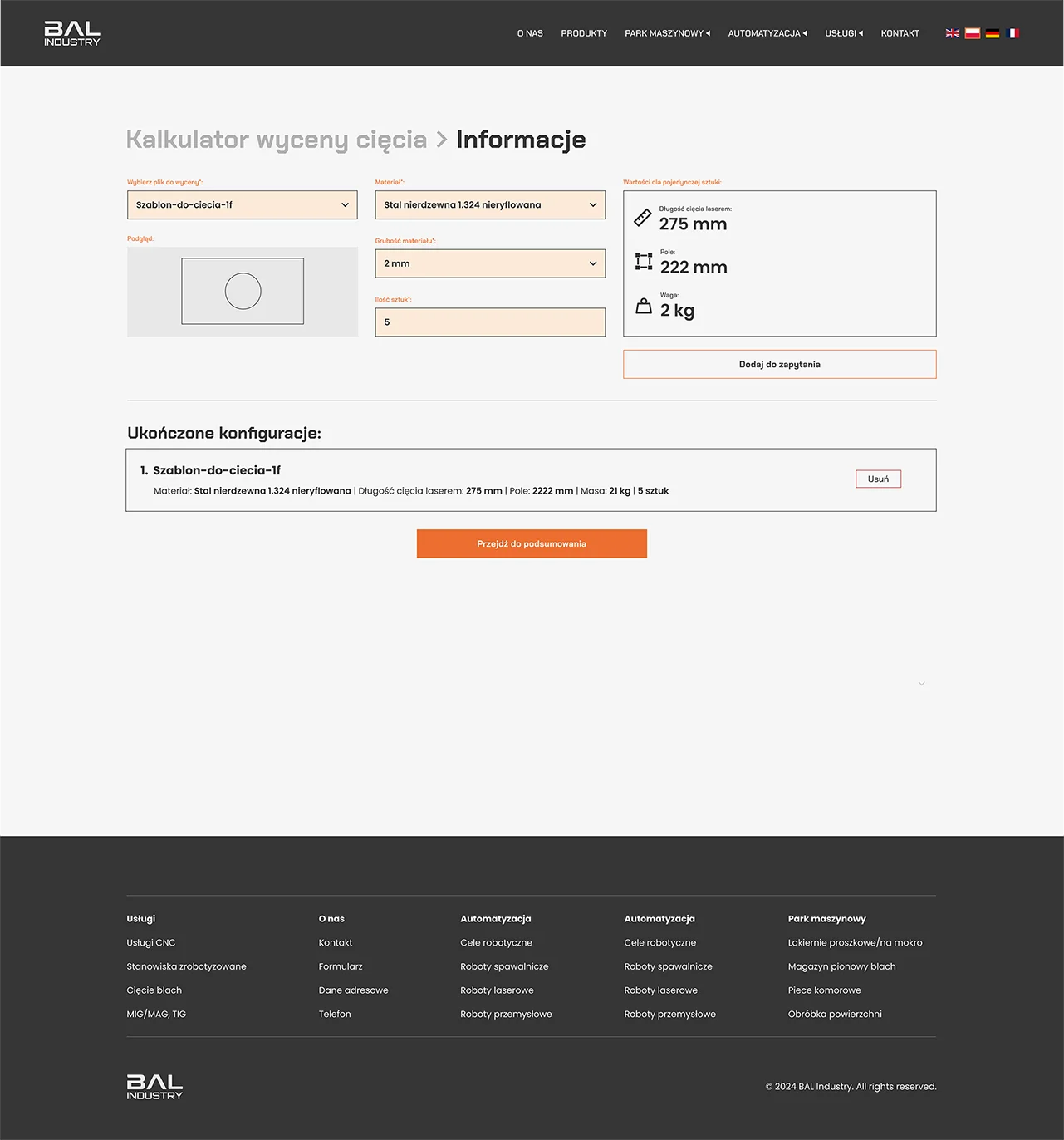
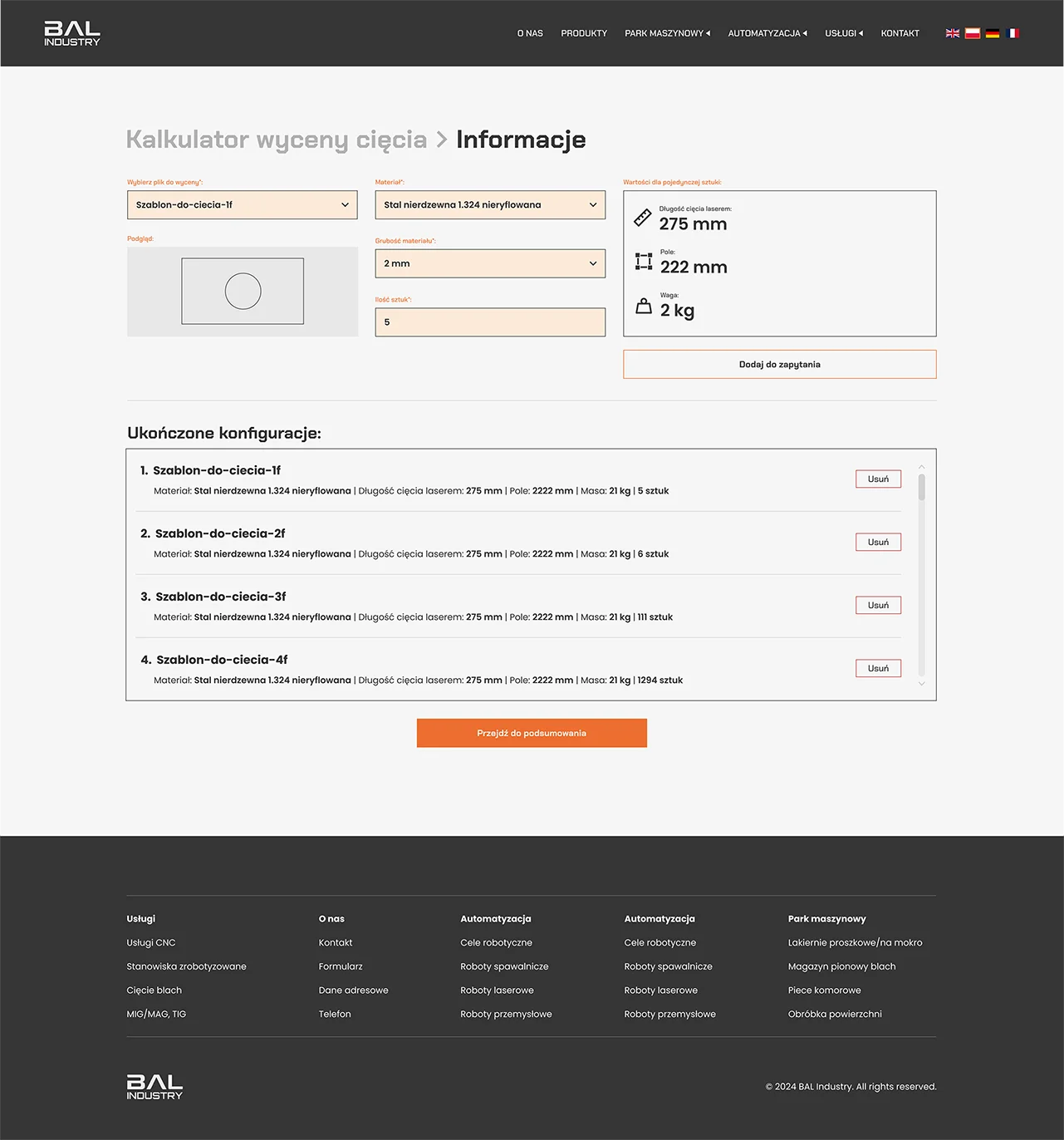
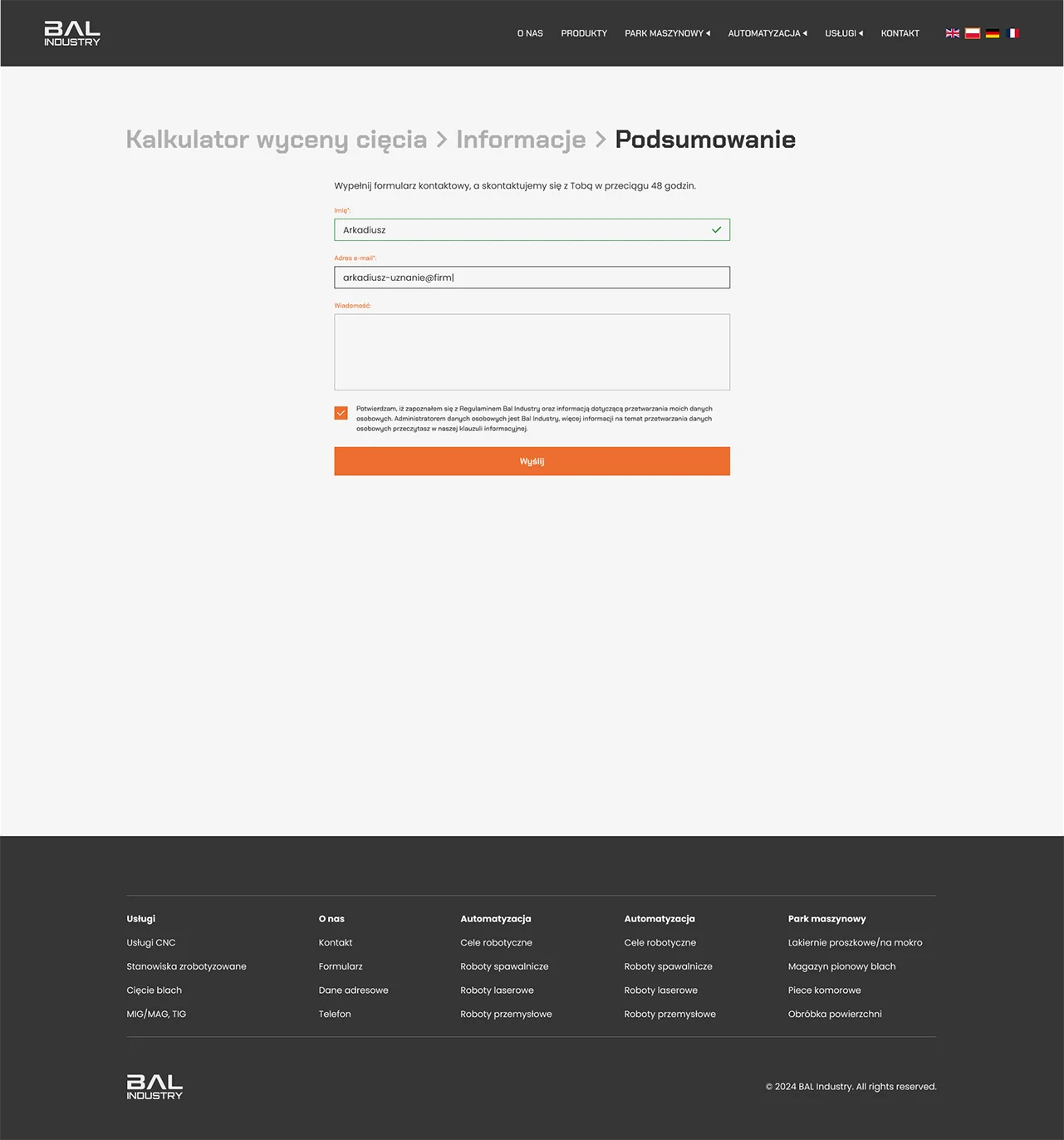
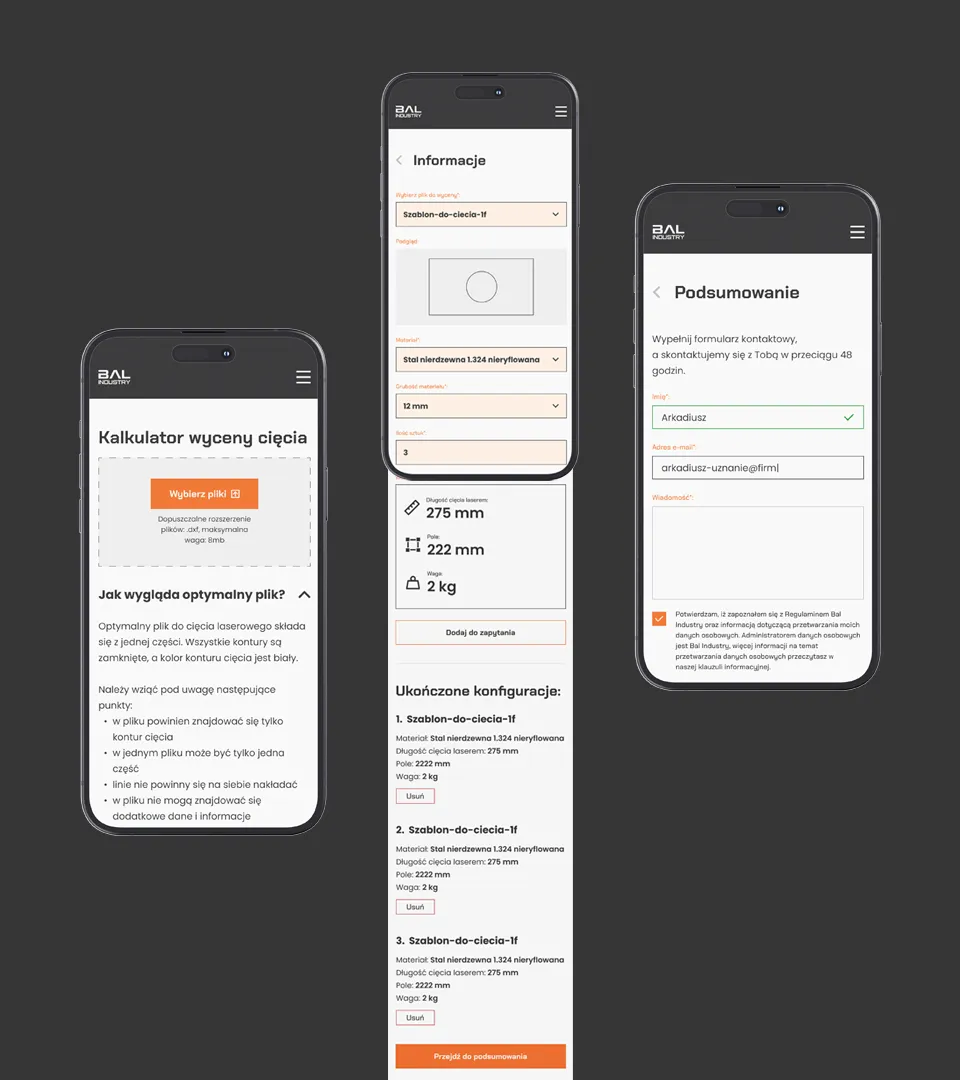
I designed a pricing and estimation calculator to support early-stage decision-making in complex industrial sales processes. The goal was to reduce ambiguity around feasibility, and configuration by translating technical parameters into immediate, understandable outputs.
Broke down technical requirements into guided inputs to prevent user overload and ensure valid configurations.
Enabled users to receive instant feedback instead of relying on manual quotes, shortening the decision loop.
Allowed users to proceed even without complete technical data, lowering the entry barrier for non-expert buyers.
Framed results as estimates to support decision-making, not exact pricing, aligning with real-world variability in industrial production.
Impact:
Responsive Behavior
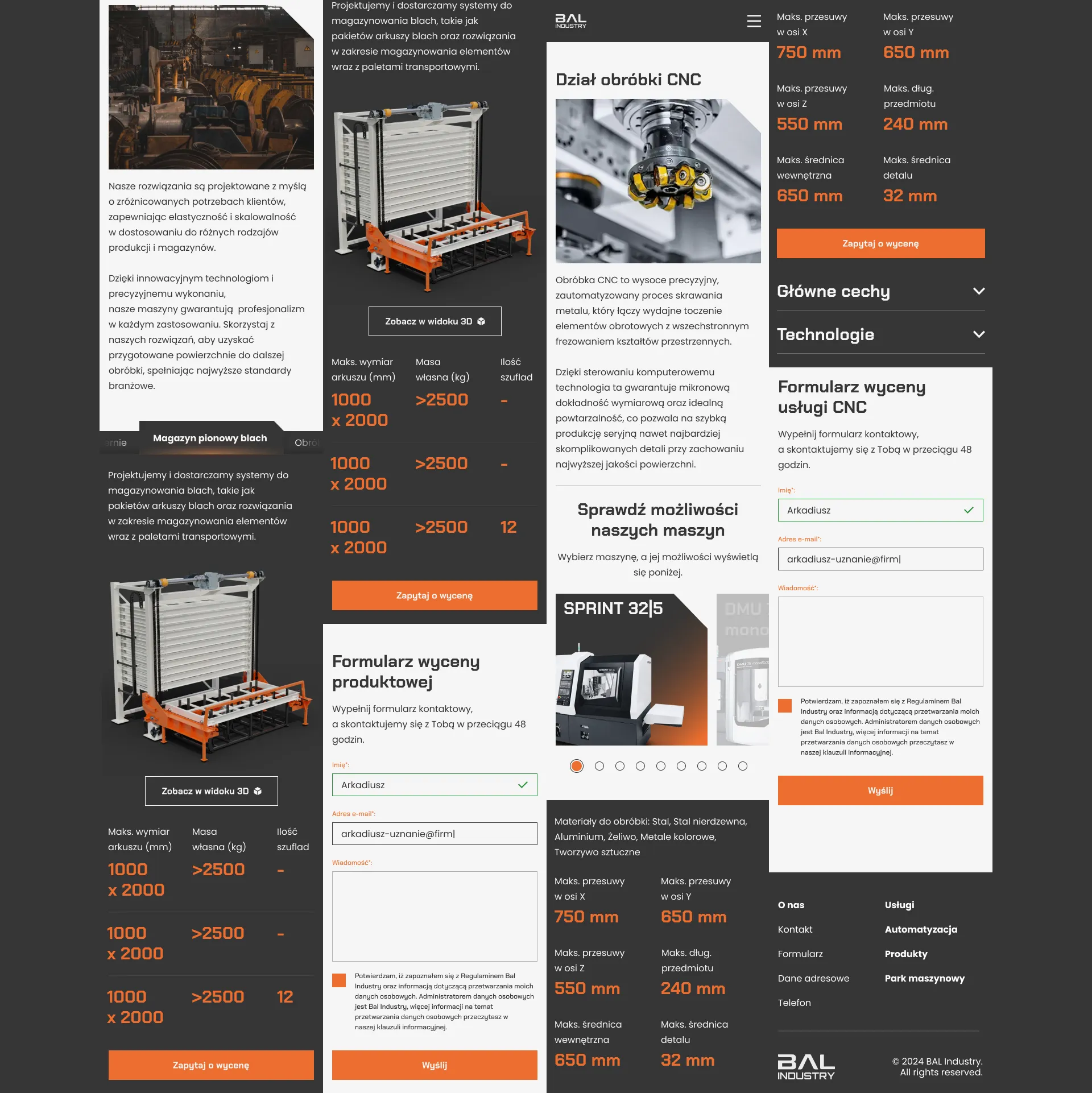
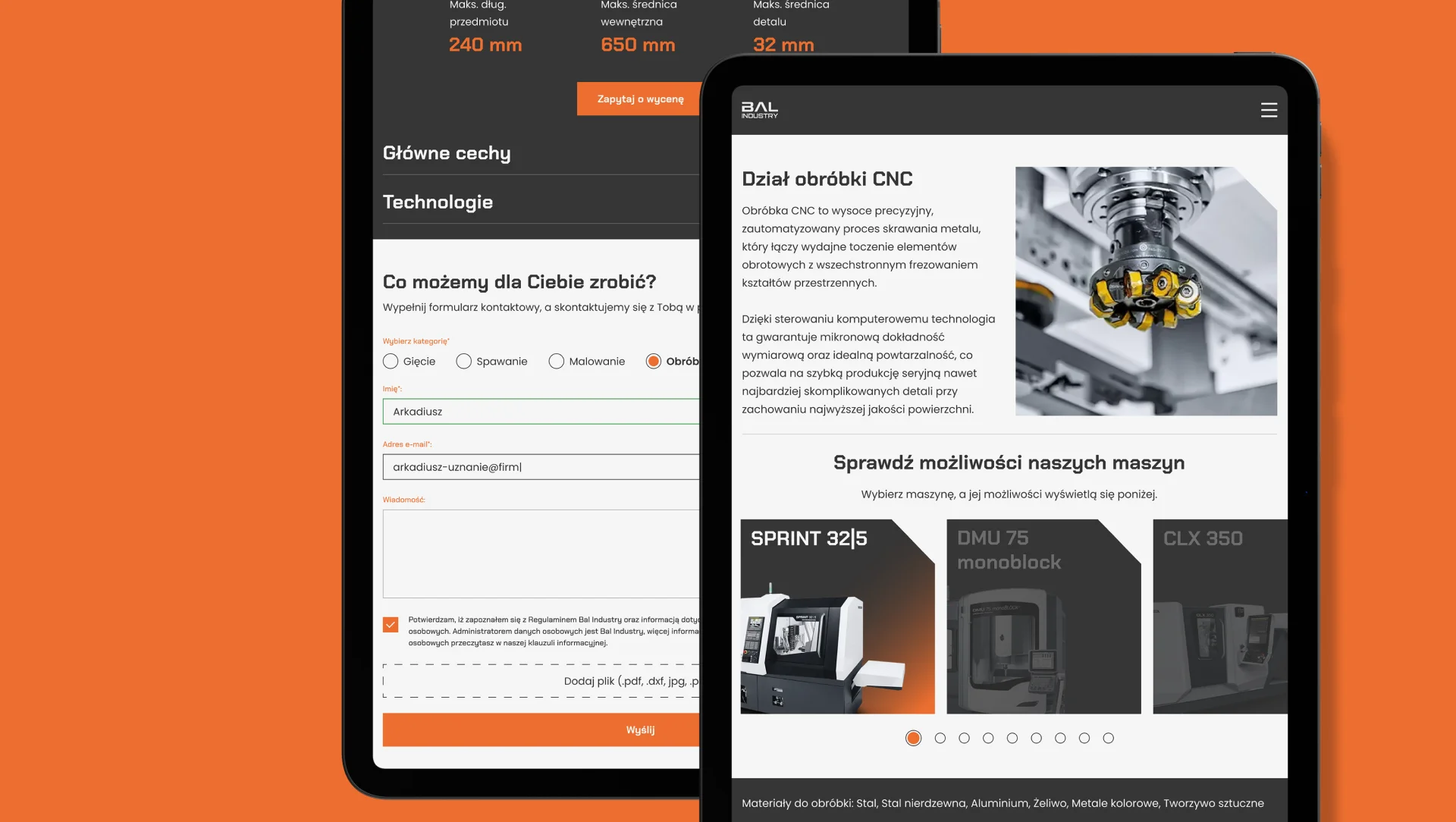
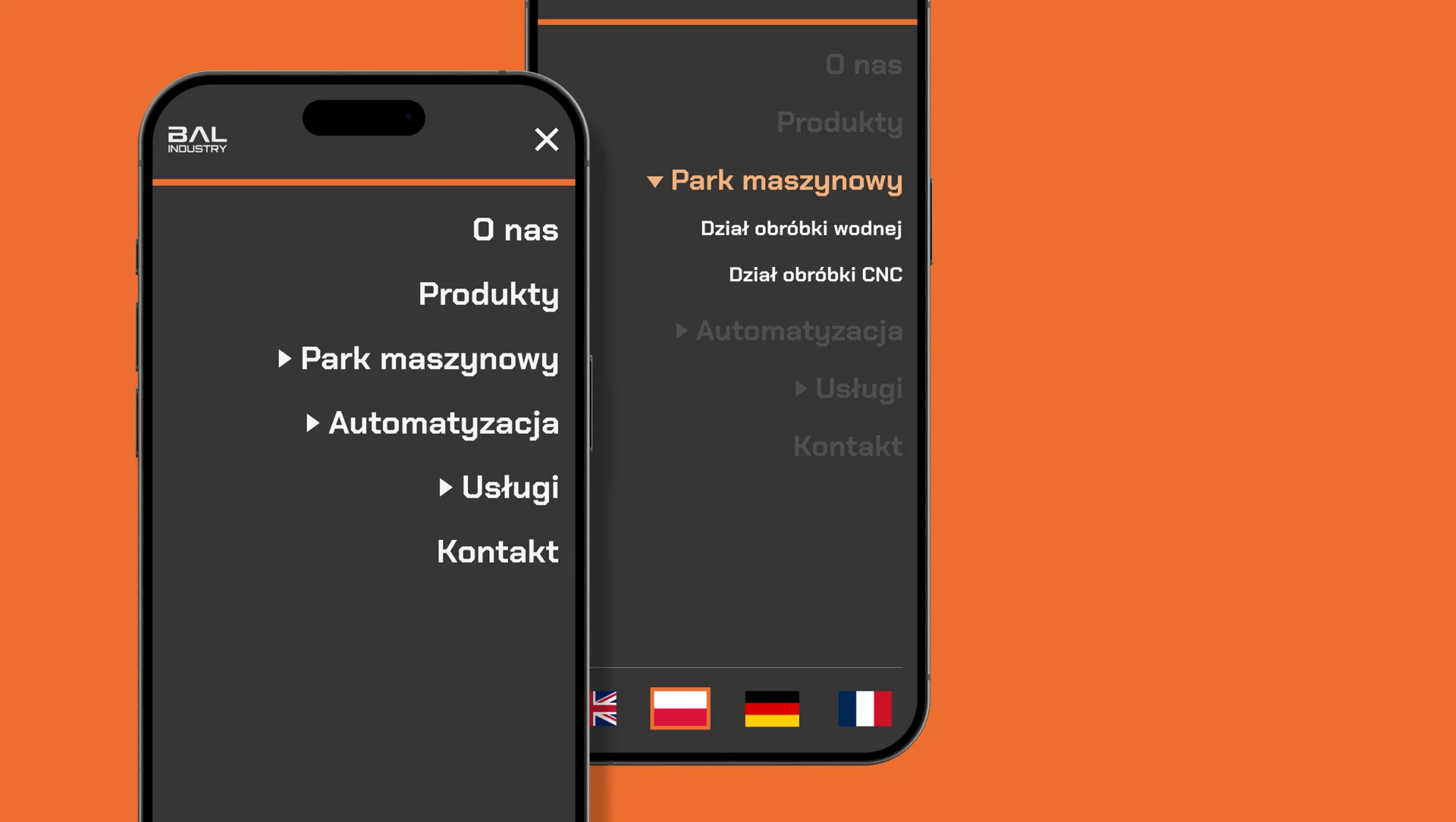
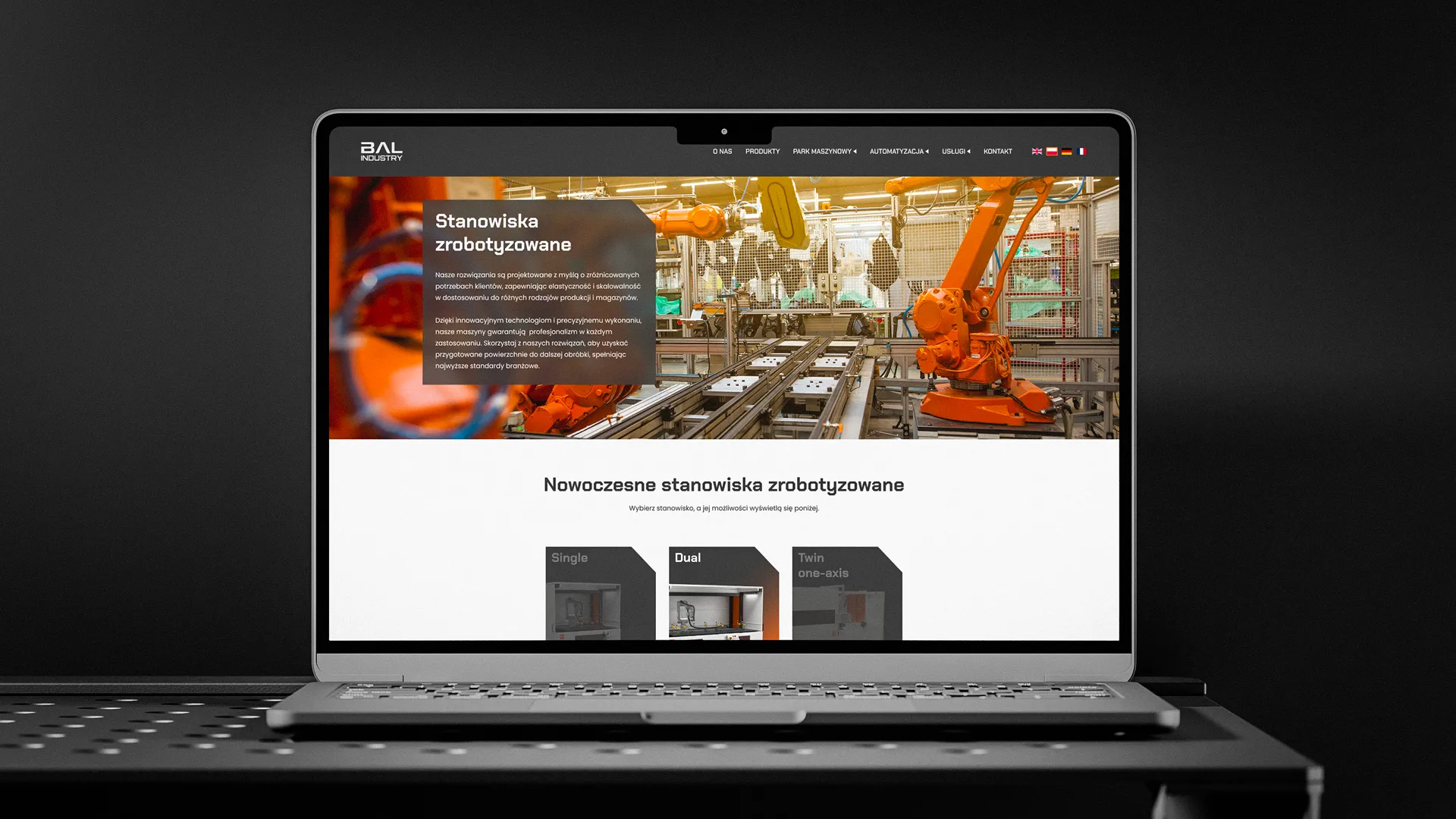
Designed for different contexts: desktop supports overview and comparison, while mobile simplifies the flow into guided steps. The layout adapts to screen constraints without losing access to key inputs and results.
Design System
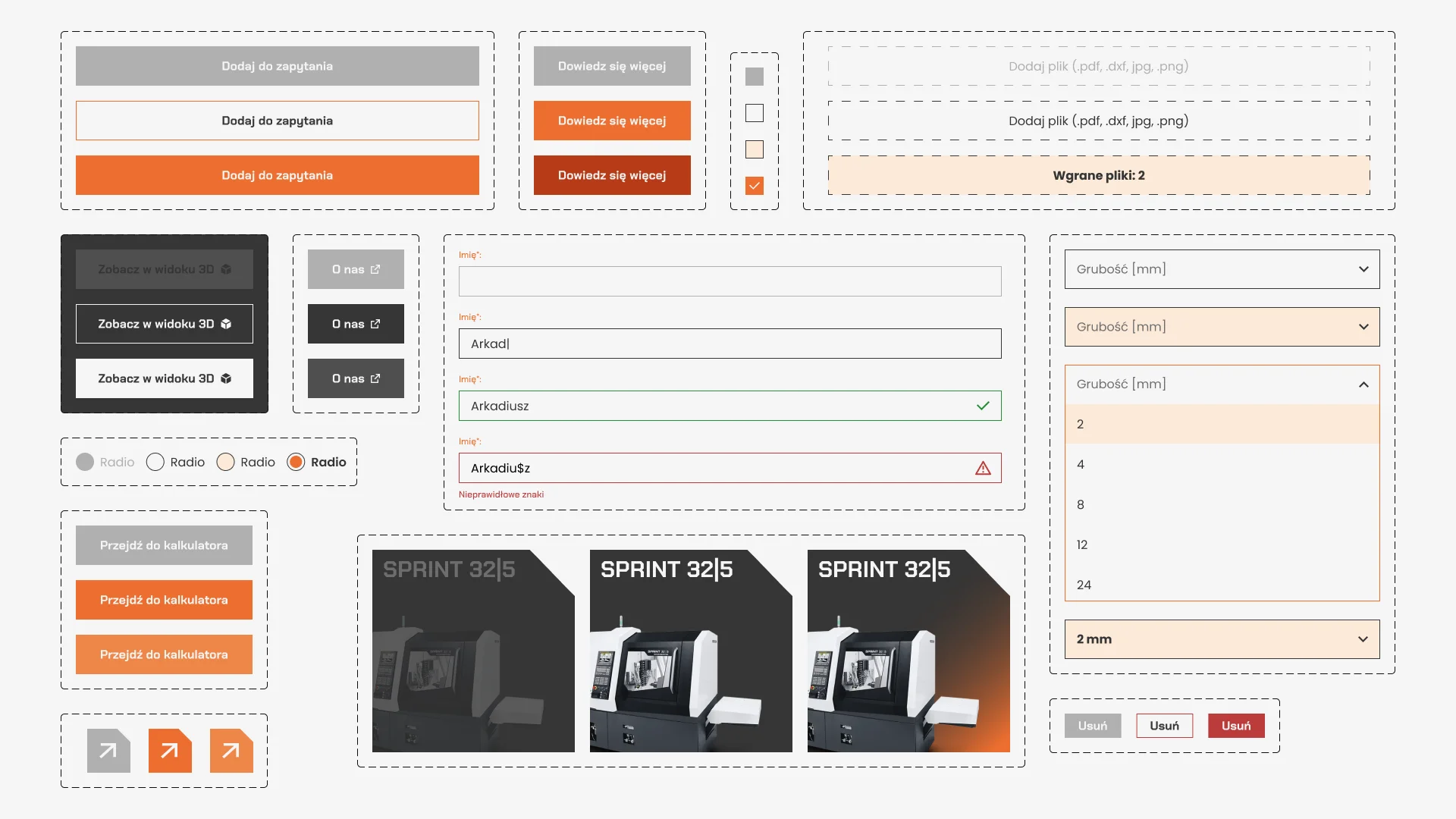
The visual language is strictly utilitarian, utilizing a high-legibility typographic stack and a functional color palette. Strategic color accents are intentionally reserved for primary Call-to-Actions and status indicators. Crucially, the system ensures cross-device consistency, allowing engineers to seamlessly initiate a technical inquiry directly from a mobile device on the factory floor.

Strategic Impact
The calculator introduced an interactive, self-service layer to the sales process, reducing ambiguity in early-stage inquiries and helping structure technical requirements before contact with the sales team.
According to stakeholder feedback, the introduction of the calculator was associated with a ~37% increase in service inquiries, indicating improved accessibility and user engagement. While this data was not directly measured within the product, it reflects observed business impact after launch.
The final implementation diverged visually due to business constraints, while preserving the core interaction model and logic.